Best Gym Shorts for Lifters With Big Legs: What to Look For Before You Buy
Most gym shorts are not made for lifters with big legs.
They are made for average builds, average thighs, average training, and average expectations. That works fine until you actually train legs. Then the problems show up fast: tight thighs, squeezed hips, pockets that bounce, waistbands that roll, shorts that ride up, or the classic disaster — sizing up just to get quad room and ending up with a baggy parachute around your waist.
If you lift, squat, lunge, push sleds, train legs hard, or simply have bigger thighs, your gym shorts need to be built differently.
This guide breaks down what to look for before buying gym shorts for big legs, bodybuilding, leg day, and everyday training.
Why Normal Gym Shorts Fail Lifters With Big Legs
Most gym shorts are built around one measurement first: the waist.
That sounds logical, but for lifters it creates a major problem. Your waist might be a medium, but your quads might need a large. So you either buy your true waist size and feel trapped through the thighs, or you size up and deal with extra fabric, a loose waistband, and a sloppy fit.
Neither option is good.
Lifters need shorts that fit the waist correctly while still giving room through the thighs and quads. That is the difference between regular gym shorts and gym shorts actually made for lifters.
The best gym shorts for big legs should move with you, hold up during hard training, and still look athletic outside the gym. They should not feel like compression shorts, and they should not look like oversized basketball shorts from 2003.
What to Look For in Gym Shorts for Big Legs
1. Quad Room Without Sizing Up
This is the number one thing.
If you have muscular legs, your shorts should give you room in the thighs without forcing you to buy a larger waist size. A good lifter short should have an athletic cut with enough space through the quad area so you can squat, sit, walk, and train without the fabric pulling tight every time you move.
The goal is simple: true waist fit, real thigh room.
That is where a lot of generic gym shorts fall apart. They might technically stretch, but if the cut is wrong, they still feel restrictive. Stretch helps, but pattern and shape matter more.
2. An Athletic Inseam
Inseam matters more than most people think.
For lifters, the best inseam depends on how much coverage you want and how aggressive you like the fit.
A 3-inch inseam gives a shorter, old-school bodybuilding look. It shows more leg, moves easily, and works well for lifters who want a more aggressive gym fit.
A 4-inch inseam is a strong middle ground. It still gives that athletic, quad-forward look without feeling too short.
A 6-inch inseam gives more coverage while still staying clean and athletic, especially if the short is cut with room through the thighs.
What you want to avoid is the awkward middle: shorts that are too long, too narrow, and too baggy at the same time. That is where the “made for nobody” fit lives.
3. Secure Waistband
A good gym short should stay put.
Leg day already asks enough from you. Your shorts should not be sliding down during squats, shifting during lunges, or needing constant adjustment between sets.
Look for a waistband that feels secure but not crushing. A drawstring or string-tied waistband helps dial in the fit, especially if you are between sizes or have a smaller waist compared to your legs.
For lifters with big legs, the waistband matters because you should not have to size up just to make your thighs fit. The waist should stay true while the leg opening gives you room to move.
4. Deep Zippered Pockets
Pockets are not just a nice bonus. They matter.
If you train with a phone, wallet, keys, earbuds, or gym card, shallow open pockets are a problem. Your stuff falls out in the car, on a bench, or during a set. Nobody wants to dig under a leg press machine for an AirPod.
Deep zippered pockets are the move.
They keep your essentials secure while lifting, walking, traveling, or running errands after the gym. The best gym shorts are not just for training. They should work from leg day to daily life.
5. Fabric That Matches How You Train
There is no single perfect fabric for every lifter. The best choice depends on how you use the shorts.
Mesh gym shorts are great for airflow, comfort, and training in warm weather. They are easy to wear, breathable, and work well for lifters who want a classic athletic feel.
Nylon gym shorts usually give a cleaner, sharper look. They are great for training, travel, and everyday wear. If you want something that feels a little more structured, nylon can be the better choice.
The mistake is buying based only on fabric and ignoring fit. A breathable short still fails if it strangles your quads. A clean nylon short still fails if you have to size up and ruin the waist fit.
Fabric matters, but fit wins.
6. Squat-Tested Movement
Gym shorts for lifters need to survive the movements lifters actually do.
That means squats, leg press, lunges, Romanian deadlifts, hip thrusts, sled pushes, step-ups, and everything else that exposes bad shorts instantly.
The shorts should let you hit depth without pulling, pinching, or bunching. They should not feel like they are one rep away from betrayal.
If a pair of shorts only looks good standing still, it is not a real gym short. Lifters need shorts that move.
7. A Fit That Looks Good Outside the Gym
The best gym shorts should not only work under a squat rack.
They should look good walking into the gym, grabbing food after training, packing orders, traveling, or wearing around the house. That is where the athletic cut matters.
Too tight looks forced. Too baggy looks sloppy. Too long hides the work. Too short for the wrong build can feel like a costume.
The sweet spot is simple: fitted at the waist, roomy through the quads, clean through the leg opening, and athletic from every angle.
Best Gym Shorts for Bodybuilding and Leg Day
Bodybuilders and serious lifters have different needs than casual gym-goers.
You need more leg room, more movement, better pocket security, and a fit that shows the work without getting in the way of the work.
That is exactly why LumberLegs exists.
LumberLegs makes gym shorts for lifters who need more room in the thighs and quads without sizing up into a baggy fit. The goal is not to make another generic gym short. The goal is to build shorts for people who actually train legs.
If you have ever bought your normal waist size and felt trapped through the thighs, you understand the problem immediately.
If you have ever sized up for quad room and hated the way the waist fit, you understand it even more.
Mesh Shorts vs Nylon Shorts for Lifters
Both can work. The right choice depends on the job.
Mesh Gym Shorts
Mesh shorts are a strong choice for leg day, hot weather, and everyday gym wear. They breathe well, feel comfortable, and give that classic athletic training look.
LumberLegs mesh shorts are built for lifters who want quad room, comfort, and a gym-first feel without losing the athletic fit.
Nylon Gym Shorts
Nylon shorts are better if you want something cleaner and more versatile. They can work for lifting, walking, travel, casual wear, and daily use.
LumberLegs OG nylon shorts are built for lifters who want a shorter, sharper athletic short that can handle training but still look clean outside the gym.
The real answer is that most lifters should own both. Mesh for the gym. Nylon for gym-to-life wear.
What Makes LumberLegs Different?
LumberLegs is not built around the idea that every guy has the same legs.
The brand is built for lifters, bodybuilders, athletes, and anyone who needs more thigh room without giving up waist fit.
The difference is in the cut. LumberLegs shorts are made to give room through the thighs and quads while keeping an athletic silhouette. That means you do not have to choose between comfort and fit.
You get gym shorts that are built for leg day, but wearable anywhere.
Key features include:
Quad-forward fit
Athletic inseam options
Deep zippered pockets
Secure waistband
Mesh and nylon options
Built for lifters, not average legs
Designed to move during real training
Best LumberLegs Shorts to Start With
Best for Leg Day: Mesh Shorts
If your main goal is training, start with LumberLegs mesh shorts. They are breathable, comfortable, and built for movement.
The 4-inch mesh shorts give a shorter, aggressive gym fit. The 6-inch mesh shorts give more coverage while still keeping the lifter-friendly shape.
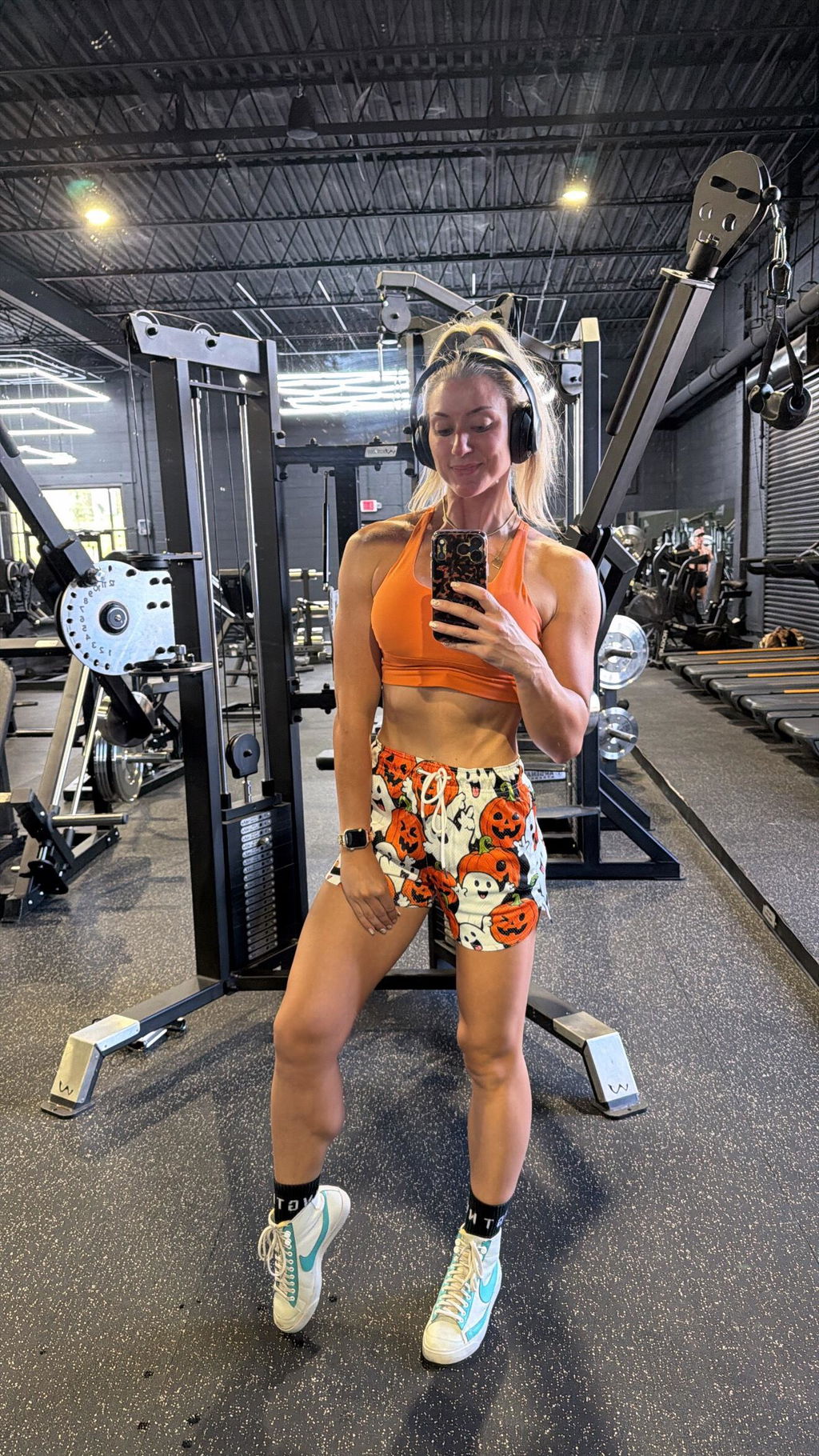
Best Statement Drop: Poison Pack
Ghost Mamba brings the darker, venomous look.
Pump Paint brings the war-paint energy.
Both are made for the gym, but they are not background shorts. They are built to get noticed.
If you want gym shorts that actually look like they belong to someone who trains legs, start there.
Best Everyday Lifter Short: OG Nylon
They work for training, travel, errands, and daily wear without looking like lazy lounge shorts.
Common Mistakes When Buying Gym Shorts for Big Legs
Mistake 1: Sizing Up for Thigh Room
This usually creates a bad waist fit. If the shorts only work when you size up, the cut is wrong for your build.
Mistake 2: Buying Shorts That Only Stretch
Stretch is helpful, but it is not the same as proper quad room. A short can stretch and still fit badly.
Mistake 3: Ignoring Pocket Design
Open shallow pockets are fine until your phone launches out during a set. Zippered pockets are the better choice.
Mistake 4: Choosing Shorts That Are Too Long
Long shorts can hide the work and make your legs look smaller. Lifters usually look better in a shorter, cleaner athletic cut.
Mistake 5: Buying Based Only on Looks
A design can look great online and still fail in the gym. Fit, movement, and comfort matter first.
FAQ: Gym Shorts for Lifters With Big Legs
What are the best gym shorts for big thighs?
The best gym shorts for big thighs are shorts with a secure waist, extra room through the quads, an athletic inseam, and enough movement for squats and lunges. LumberLegs shorts are built specifically for lifters who need more thigh room without sizing up.
Are LumberLegs shorts good for bodybuilding?
Yes. LumberLegs shorts are made for lifters, bodybuilders, and athletes who train legs and need more room through the thighs and quads. They are designed to move during training while keeping an athletic fit.
What inseam is best for leg day?
A 3-inch or 4-inch inseam gives a shorter, more aggressive bodybuilding-style fit. A 6-inch inseam gives more coverage while still working well for lifting. The best choice depends on how much leg you want to show and how much coverage you prefer.
Are mesh shorts good for lifting?
Yes. Mesh shorts are great for lifting because they are breathable, comfortable, and easy to move in. For lifters with bigger legs, the cut matters most. Mesh shorts still need enough room through the thighs and quads.
Are nylon shorts good for the gym?
Yes. Nylon gym shorts can be great for training and everyday wear. They usually have a cleaner look and work well for lifters who want something they can wear inside and outside the gym.
Do gym shorts need zippered pockets?
For serious training and everyday use, zippered pockets are a major upgrade. They help keep your phone, wallet, keys, and earbuds secure while lifting, walking, or traveling.
Should lifters wear short gym shorts?
Lifters do not have to wear short shorts, but shorter athletic inseams usually move better and show the legs more clearly. The key is choosing an inseam that matches your comfort level and training style.
Why do regular gym shorts feel tight on my thighs?
Most regular gym shorts are cut for average legs. If you have bigger thighs or developed quads, the thigh area can feel tight even when the waist fits correctly. That is why lifters need shorts built with more quad room.
Final Takeaway
The best gym shorts for lifters with big legs should fit your waist, give your quads room, move during hard training, and still look athletic outside the gym.
Do not buy shorts that make you choose between waist fit and thigh room.
That is the entire point of LumberLegs.
Built for lifters. Built for leg day. Built for the ones who do not skip the work.
Shop LumberLegs gym shorts made for big legs, bodybuilding, and real training.